

Audio-Video and Smart-Building Technician
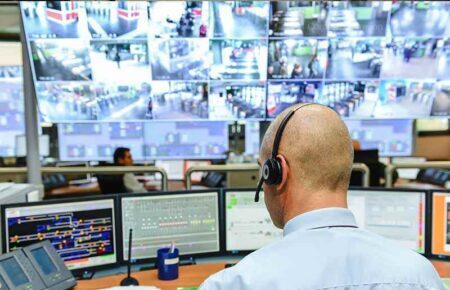
Audio-Video and Smart-Building Technician
Audio-video and smart-building technicians install and support systems for sound, displays, conferencing, automation, lighting control and connected building operations.
What You Would Do
- Reading system drawings
- Installing cable and equipment
- Mounting displays and speakers
- Configuring control devices
- Commissioning systems
- Training users and diagnosing signal or network problems
The exact work depends on the employer, equipment, customer and specialty.
Types of Work You Could Explore
Commercial audio video — Install displays, speakers and control systems in workplaces and public spaces.
Residential integration — Connect entertainment, lighting, shades, climate and security controls in homes.
Conference and collaboration systems — Build meeting-room video, microphones and room-control systems.
Digital signage — Install networked displays and content-delivery equipment.
Building controls integration — Help different connected systems exchange information and respond together.
Live or performance systems — Install permanent sound, video and control equipment in venues.
You do not have to choose a specialty before you begin. Job titles and specialty names vary among employers and training programs, and one job may include more than one type of work.
Who Might Like This Career
This career may appeal to you if you enjoy sound, video, controls and connected technology. It rewards people who can make equipment work together and explain a finished system clearly to its users.
Where You Could Work
Offices, schools, hotels, entertainment venues, houses of worship, homes, hospitals, conference centers and public facilities.
Work Conditions and Safety
Like many hands-on service careers, this work can involve hazards. The specific risks depend on the equipment, site and assignment. Training, safe work practices and protective equipment help workers do the job safely. New workers should perform unfamiliar or hazardous tasks only with proper instruction and supervision.
Pay and Job Outlook
Median annual pay: $60,150 in May 2025 for broadcast, sound and video technicians, a related comparison occupation.
These are national U.S. figures for the occupation or comparison group named above, not a promised starting salary. Pay can vary considerably by location, experience, specialty, overtime, union agreement, employer and service market. People starting the career commonly earn less than experienced workers; paid training programs may increase wages as skills grow.
U.S. Bureau of Labor Statistics career and pay information
Skills You Can Start Building
- Read signal-flow and control diagrams
- Terminate audio, video and network cabling
- Configure displays, speakers and control systems
- Test system performance and interoperability
- Teach users how to operate installed equipment
How Audio-Video and Smart-Building Technician Work Is Changing
Internet-connected devices, software-defined systems, remote management, artificial intelligence features, network security and converged building platforms are increasing IT-related work.
Software and AI may also affect scheduling, diagnosis, documentation, estimating, customer communication and the way workers receive technical information. The effect will vary by employer and specialty.
Much of the work still takes place in real buildings and field conditions, where workers must inspect, fit, adjust, test and make judgments based on the actual equipment. Skilled workers remain responsible for safe service and checking the finished work.
Education and Training
Preparation may include employer training, low-voltage or audiovisual apprenticeship, electronics, networking, technical college and manufacturer certification.
Career Pathways and Apprenticeship Availability
Typical pathway: Employer training and related paid experience are common; apprenticeship availability varies.
The catalog page spans audiovisual and smart-building work. Do not treat it as one exact federal occupation or promise a Registered Apprenticeship pathway everywhere.
A Registered Apprenticeship follows an approved training plan and combines paid work, supervised learning, related instruction and progressive skill development. Some employers use the word apprenticeship for paid programs that are not registered. Ask the sponsor which type it is and what credential, wage progression and job it provides.
Licenses and Certifications
Electrical or low-voltage licensing may apply. Lift use, rigging, firestopping and manufacturer credentials can also be important.
Look up licenses in your state
Career Pathways to Learn Audio-Video and Smart-Building Technician and Gain Experience
Apprenticeship — Learn through real paid work with experienced workers who teach and guide you, supported by technical instruction and a structure for developing and measuring progress. Some apprenticeships are Registered Apprenticeships; others are not.
Entry-Level Jobs — Gain paid experience with tools, equipment, customer service, safety and workplace practices through beginning work in the field.
Youth Apprenticeship — Begin developing career skills through work while continuing high-school education where a suitable program is available.
Career and Technical Education CTE — Gain hands-on knowledge through a high-school or postsecondary program related to electronics, mechanics, construction, facilities, communications or service technology.
Pre-Apprenticeship — Learn introductory skills, safety and workplace expectations while preparing for apprenticeship or employment. Verify that the program connects participants with real employers and does not charge tuition simply for possible access to an apprenticeship.
Co-op — Combine education with career-related work experience through a high school, CTE program, community college or other educational program.
Paid Work-Based Learning — Get paid to do real work for an employer while learning skills and gaining experience related to the career.
Manufacturer or Industry Training — Learn a specific product, system or service method through employer-supported courses and credentials. This training often supplements rather than replaces supervised work experience.
From Learning to Experienced Work
Skills develop through practice and experience. People who are new to the work usually receive more instruction and supervision. As they demonstrate skill, judgment and reliability, they take on more difficult work, greater responsibility and more independent assignments.
A common progression: Learn → Practice → Gain Experience → Build Confidence → Take on More Responsibility → Work More Independently
Experienced workers may eventually supervise work or teach and guide newer workers, trainees and apprentices.
Where This Career Can Lead
With experience, you may specialize in more complex systems, become a lead technician, help train newer workers, or move into inspection, estimating, sales, project coordination, service management or business ownership where licensing allows. The realistic next step depends on the occupation, your experience, education and local requirements.
Questions to Ask Before You Apply
- Is this a paid job from the beginning?
- Is it a Registered Apprenticeship, an employer-run apprenticeship, another training program or a regular job with training?
- What equipment and work will I learn, and who will teach me on the job?
- How does pay increase as I gain skills?
- Who provides the classes, and can I earn college credit or an industry credential?
- What tools, transportation, physical requirements, licenses, background checks or costs should I expect?
Explore related careers
Telecommunications Installer-Technician
Access-Control Systems Technician
Building Automation Technician
Digital Signage Technician
Explore opportunities
Search apprenticeships and programs on Apprenticeship.com
Explore Apprenticeship.com state apprenticeship guides
Learn more from official career resources