

Weatherization Technician
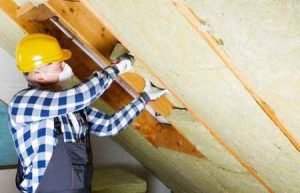
Weatherization Technician
Construction and Building Trades
Weatherization technicians improve building safety, comfort and energy performance through diagnostics, air sealing and insulation work.
What You Would Do
- Inspect buildings and identify air, insulation and moisture problems
- Perform blower-door, pressure and combustion-safety tests where qualified
- Seal bypasses and penetrations
- Install insulation and ventilation measures
- Document conditions, installed measures and final test results
The exact work depends on the employer, project and specialty.
Types of Work You Could Explore
Single-family and multifamily weatherization — Improve energy performance in houses and apartment buildings.
Air sealing — Find and close uncontrolled air leaks.
Insulation — Add or improve thermal materials in attics, walls and floors.
Health and safety — Identify conditions such as combustion, moisture or ventilation hazards.
Energy retrofits — Install improvements that reduce energy use and increase comfort.
Quality control — Inspect completed work and verify program requirements.
You do not have to choose a specialty before you begin. Job titles and specialty names vary among employers and training programs, and one job may include more than one type of work.
Who Might Like This Career
This career may appeal to you if you want practical work that improves comfort, safety and energy use in homes or buildings. It can suit people who like diagnosing problems, explaining findings and combining testing with hands-on improvements.
Where You Could Work
Occupied homes, attics, crawlspaces, basements and multifamily buildings, often through public or utility programs.
Work Conditions and Safety
Like many hands-on careers, this work can involve hazards. The specific risks depend on the job and work setting. Training, safe work practices and protective equipment help workers do the job safely. New workers should perform unfamiliar or hazardous tasks only with proper instruction and supervision.
Pay and Job Outlook
Median annual pay: $51,330 in May 2025 for the related insulation workers group.
These are national U.S. figures for the occupation or comparison group named above, not a promised starting salary. Pay can vary considerably by location, experience, specialty, overtime, union agreement, employer and project. People starting the career commonly earn less than experienced workers; paid training programs may increase wages as skills grow.
Skills You Can Start Building
- Observe air, moisture and insulation conditions
- Use diagnostic and measurement equipment
- Install air-sealing and insulation materials
- Recognize ventilation and combustion-safety concerns
- Record findings and explain recommended work
How Weatherization Technician Is Changing
Weatherization Technician remains highly hands-on, but tools, materials and construction methods continue to change.
Heat pumps, building electrification, infrared tools, digital audits and stronger quality-control requirements are expanding technical work.
Software and AI may also affect planning, estimating, scheduling, documentation, design coordination and the way workers receive instructions. The effect will vary by employer, project and specialty.
Much of the work still takes place in changing physical environments, where workers need to measure, fit, adjust, inspect, solve problems and make judgments based on actual conditions. Skilled workers remain responsible for safe execution and checking the finished work.
Education and Training
Requirements vary by employer, specialty and location. People may prepare through apprenticeship, paid employer training, career and technical education, community or technical college, a related degree, or entry-level work. The best route depends on whether this occupation normally uses apprenticeship and on what employers in your area require.
Career Pathways and Apprenticeship Availability
Typical pathway: Apprenticeship available in some locations or through a related craft.
Registered pathways exist in some areas, but many workers train through employers, workforce programs or federally supported weatherization systems. Verify that a program provides paid work and a recognized occupational outcome. The exact program title and work scope vary, so check the sponsor description before applying.
A Registered Apprenticeship follows an approved training plan and combines paid work, supervised learning, related instruction and progressive skill development. Some employers use the word apprenticeship for paid programs that are not registered. Ask the sponsor which type it is and what credential, wage progression and job it provides.
Licenses and Certifications
Building Performance Institute and program-specific credentials may apply. Lead-safe, asbestos, respirator and combustion-safety rules affect scope. Requirements differ by state and employer. Check them before paying for training so you know whether the program prepares you for the needed license, exam or documented work experience.
Look up licenses in your state
Career Pathways to Learn Weatherization Technician and Gain Experience
Paid Entry-Level Work — Build relevant experience while learning from experienced employees. For many careers on this page, this is more common than entering through a formal apprenticeship.
Employer Training — Learn the employer’s processes, technology and standards after being hired.
Career and Technical Education or College — Develop technical knowledge and a recognized credential where employers expect one.
Related Craft Apprenticeship — Build paid trade experience that may lead toward this specialty or advancement role. This is not the same as an apprenticeship for the exact career title.
Youth Apprenticeship — Begin developing relevant skills through work while continuing high-school education when a suitable local program is available.
Pre-Apprenticeship — Prepare for construction employment through a program connected to real employers. Verify costs and outcomes before enrolling.
Co-op or Paid Work-Based Learning — Combine education with supervised career-related work and practical experience.
From Learning to Experienced Work
Skills develop through practice and experience. People who are new to the work usually receive more instruction and supervision. As they demonstrate skill, judgment and reliability, they take on more difficult work, greater responsibility and more independent assignments.
A common progression: Learn → Practice → Gain Experience → Build Confidence → Take on More Responsibility → Work More Independently
Experienced workers may eventually supervise work or teach and guide newer workers, trainees and apprentices.
Where This Career Can Lead
With experience, you may choose a specialty, become a lead worker or foreperson, help train newer workers, or move into estimating, inspection, safety, instruction, supervision, project management or business ownership. The realistic next step depends on the occupation, your experience, education and local licensing rules.
Questions to Ask Before You Apply
- Is this a paid job from the beginning?
- Is it a Registered Apprenticeship, an employer-run apprenticeship, another training program or a regular job with training?
- What work will I learn, and who will teach me on the job?
- How does pay increase as I gain skills?
- Who provides the classes, and can I earn college credit or an industry credential?
- What tools, transportation, physical requirements, licenses or costs should I expect?
Explore related careers
Building Inspection and Code Compliance
Explore opportunities
Search apprenticeships and programs on Apprenticeship.com
Explore Apprenticeship.com state apprenticeship guides
Learn more from official career resources