

Operating Engineer and Heavy Equipment Operator
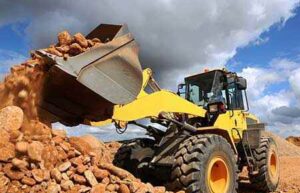
Operating Engineer and Heavy Equipment Operator
Construction and Building Trades
Operating engineers use excavators, dozers, loaders, graders and other equipment to move earth, prepare sites and build infrastructure.
What You Would Do
- Inspect equipment and document condition before operation
- Excavate, grade, load, compact or place materials
- Read stakes, plans, grade controls and utility markings
- Coordinate movement with spotters, trucks and ground crews
- Perform routine maintenance and recognize unsafe equipment conditions
The exact work depends on the employer, project and specialty.
Types of Work You Could Explore
Earthmoving — Move large quantities of soil and rock with heavy machinery.
Grading — Shape surfaces to planned elevations and slopes.
Excavation — Dig foundations, trenches and site features.
Paving support — Operate equipment that prepares, places or compacts road materials.
Cranes and hoisting — Lift and place loads; these jobs may use separate classifications and credentials.
Dredging — Remove sediment or material from waterways and underwater sites.
Underground utilities — Excavate and backfill safely around buried systems.
Plant equipment — Operate machinery at quarries, asphalt plants or material-processing facilities.
You do not have to choose a specialty before you begin. Job titles and specialty names vary among employers and training programs, and one job may include more than one type of work.
Who Might Like This Career
This career may appeal to you if you like powerful machinery, outdoor projects and shaping a site through controlled, precise movements. It can suit people who stay aware of changing conditions and communicate well with ground crews.
Where You Could Work
Roads, building sites, mines, quarries, utilities, landfills and heavy-civil projects, usually outdoors and around moving equipment.
Work Conditions and Safety
Like many hands-on careers, this work can involve hazards. The specific risks depend on the job and work setting. Training, safe work practices and protective equipment help workers do the job safely. New workers should perform unfamiliar or hazardous tasks only with proper instruction and supervision.
Pay and Job Outlook
Median annual pay: $59,600 in May 2025 for construction equipment operators.
These are national U.S. figures for the occupation or comparison group named above, not a promised starting salary. Pay can vary considerably by location, experience, specialty, overtime, union agreement, employer and project. People starting the career commonly earn less than experienced workers; paid training programs may increase wages as skills grow.
U.S. Bureau of Labor Statistics career and pay information
Skills You Can Start Building
- Perform equipment walk-around inspections
- Develop smooth control and machine-position awareness
- Read grades, stakes and site plans
- Recognize soil, slope and ground-condition changes
- Use signals and communicate with nearby workers
How Operating Engineer and Heavy Equipment Operator Is Changing
Operating Engineer and Heavy Equipment Operator remains hands-on and field-based, but machines, controls and project information continue to change.
GPS machine control, telematics, cameras, proximity detection and semi-automated grading are increasing digital and data skills.
Software and AI may support planning, grade or load information, equipment monitoring, maintenance alerts, scheduling and documentation. Some equipment may add automated or semi-automated functions.
Operators still need to understand changing ground and job-site conditions, maintain awareness of people and equipment, respond to unexpected situations and make safe decisions based on what is actually happening.
Education and Training
Requirements vary by employer, specialty and location. People may prepare through apprenticeship, paid employer training, career and technical education, community or technical college, a related degree, or entry-level work. The best route depends on whether this occupation normally uses apprenticeship and on what employers in your area require.
Career Pathways and Apprenticeship Availability
Typical pathway: Established apprenticeship route.
Operating Engineer and equipment-operator occupations have established Registered Apprenticeship pathways. Paid training progresses across machines, safety, grade reading and maintenance.
A Registered Apprenticeship follows an approved training plan and combines paid work, supervised learning, related instruction and progressive skill development. Some employers use the word apprenticeship for paid programs that are not registered. Ask the sponsor which type it is and what credential, wage progression and job it provides.
Licenses and Certifications
Commercial driver, crane, hoisting, hazardous-waste or employer equipment qualifications may apply; state operator licensing varies. Requirements differ by state and employer. Check them before paying for training so you know whether the program prepares you for the needed license, exam or documented work experience.
Look up licenses in your state
Career Pathways to Learn Operating Engineer and Heavy Equipment Operator and Gain Experience
Apprenticeship — Learn through real paid work with experienced workers who teach and guide you, supported by technical instruction and a structure for developing and measuring progress. Some apprenticeships are Registered Apprenticeships; others are not.
Entry-Level Jobs — Gain paid experience with tools, materials, safety and workplace practices through beginning work in the field.
Youth Apprenticeship — Begin developing career skills through work while continuing high-school education.
Career and Technical Education CTE — Gain hands-on knowledge through a high-school or postsecondary program related to the career.
Pre-Apprenticeship — Learn introductory skills, safety and workplace expectations while preparing for apprenticeship or employment. Verify that the program connects participants with real employers and does not charge tuition simply for possible access to an apprenticeship.
Co-op — Combine education with career-related work experience through a high school, CTE program, community college or other educational program.
Paid Work-Based Learning — Get paid to do real work for an employer while learning skills and gaining experience related to the career.
From Learning to Experienced Work
Skills develop through practice and experience. People who are new to the work usually receive more instruction and supervision. As they demonstrate skill, judgment and reliability, they take on more difficult work, greater responsibility and more independent assignments.
A common progression: Learn → Practice → Gain Experience → Build Confidence → Take on More Responsibility → Work More Independently
Experienced workers may eventually supervise work or teach and guide newer workers, trainees and apprentices.
Where This Career Can Lead
With experience, you may choose a specialty, become a lead worker or foreperson, help train newer workers, or move into estimating, inspection, safety, instruction, supervision, project management or business ownership. The realistic next step depends on the occupation, your experience, education and local licensing rules.
Questions to Ask Before You Apply
- Is this a paid job from the beginning?
- Is it a Registered Apprenticeship, an employer-run apprenticeship, another training program or a regular job with training?
- What work will I learn, and who will teach me on the job?
- How does pay increase as I gain skills?
- Who provides the classes, and can I earn college credit or an industry credential?
- What tools, transportation, physical requirements, licenses or costs should I expect?
Explore related careers
Explore opportunities
Search apprenticeships and programs on Apprenticeship.com
Explore Apprenticeship.com state apprenticeship guides
Learn more from official career resources