

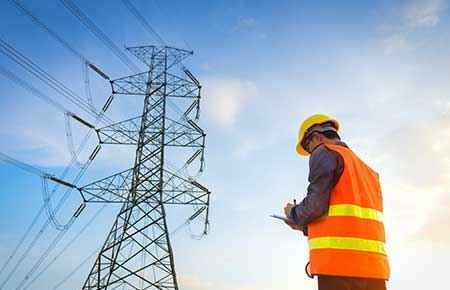
Electric Power-Line Apprenticeship & Pre-Apprenticeship
Electrical Power Line Installation & Repair Apprenticeship
An electrical power line apprenticeship prepares individuals to become line workers (linemen/linewomen) who install, maintain, and repair electrical power transmission and distribution systems. These are the workers who build and restore the overhead and underground systems that deliver electricity from substations to homes and businesses.
This is one of the most physically demanding and technically specialized areas of the electrical trade.
Purpose of the Apprenticeship
The apprenticeship develops competency in:
- Installing overhead and underground power lines
- Climbing utility poles and working at heights
- Operating bucket trucks and heavy equipment
- Maintaining transformers and distribution equipment
- Responding to power outages and storm damage
- Working safely around high-voltage systems
Linework involves significantly higher voltages and greater environmental exposure than typical residential or commercial electrical work.
Structure of a Lineworker Apprenticeship
Most programs last 3–4 years, depending on the employer or utility provider. Apprentices typically complete:
- Thousands of hours of supervised field training
- Structured classroom instruction
- Progressive skill evaluations
- Safety certifications
Apprentices are paid employees from day one and receive incremental wage increases as they advance.
Types of Electrical Line Work
1️⃣ Distribution Line Work
Distribution lineworkers handle power lines that carry electricity from substations to neighborhoods and businesses.
Work includes:
- Installing utility poles
- Stringing and tensioning conductors
- Installing crossarms and insulators
- Connecting transformers
- Restoring service after outages
- Working on 4kV–35kV systems (varies by region)
Distribution work often involves storm response and emergency repair.
2️⃣ Transmission Line Work
Transmission lineworkers work on high-voltage lines that carry electricity over long distances between power plants and substations.
Work includes:
- Building and maintaining large steel transmission towers
- Working with very high voltages (69kV–500kV+ depending on region)
- Installing and maintaining insulator assemblies
- Helicopter-assisted line work (in some cases)
- High-altitude and remote-area operations
Transmission work requires advanced safety procedures due to extreme voltage levels.
3️⃣ Underground Line Work
Some lineworkers specialize in underground distribution systems.
Work includes:
- Installing underground cable
- Splicing high-voltage cable
- Installing pad-mounted transformers
- Working in vaults and confined spaces
- Troubleshooting underground faults
This work requires strong diagnostic skills and familiarity with cable systems.
Skills Developed During Apprenticeship
Lineworker apprentices develop skills in:
- Pole climbing techniques
- Fall protection systems
- Rubber glove and hot-stick methods
- Transformer installation and maintenance
- Rigging and hoisting
- Equipment operation (diggers, bucket trucks, cranes)
- Electrical theory specific to power distribution
- Reading utility system diagrams
- Load balancing and system troubleshooting
Safety training is extremely intensive due to the risks of high-voltage exposure and working at height.
Physical and Environmental Demands
Unlike many electrical trades, linework involves:
- Working outdoors year-round
- Climbing poles 30–100+ feet
- Lifting heavy equipment
- Working in storms and emergency conditions
- Irregular hours during outages
It is physically and mentally demanding and requires strong situational awareness.
__________
Pre-Apprenticeship Training for Lineworkers
A lineworker pre-apprenticeship (often called line school) prepares candidates for entry into a formal apprenticeship.
These programs typically last 10–20 weeks, depending on structure.
Goals of Pre-Apprenticeship
Pre-apprenticeship training helps individuals:
- Learn foundational electrical power concepts
- Develop climbing and safety skills
- Understand industry expectations
- Improve competitiveness for apprenticeship selection
Because line worker apprenticeships are competitive, pre-training significantly improves hiring chances.
Core Components of Line worker Pre-Apprenticeship
1️⃣ Basic Electrical Power Theory
Students learn:
- AC power fundamentals
- Three-phase systems
- Transformers and voltage regulation
- Distribution system components
- Introduction to substations
This training focuses on utility-scale systems rather than household wiring.
2️⃣ Climbing and Fall Protection
Trainees practice:
- Climbing wooden utility poles
- Using climbing belts and hooks
- Proper body positioning
- Fall arrest systems
- Bucket truck safety basics
Climbing competency is one of the most important entry-level skills.
3️⃣ Safety and Hazard Awareness
Training includes:
- Electrical hazard recognition
- Minimum approach distances
- Grounding procedures
- Lockout/tagout
- OSHA or equivalent safety standards
- CPR and first aid
Utility work has high safety standards due to high voltage risks.
4️⃣ Equipment and Tool Training
Students are introduced to:
- Hand tools for linework
- Hot sticks and insulating tools
- Rigging equipment
- Basic heavy equipment awareness
They also learn basic knot tying and rope handling, which are essential in rigging.
5️⃣ Physical Conditioning
Some programs incorporate:
- Strength and endurance preparation
- Climbing stamina training
- Outdoor work conditioning
This prepares candidates for the physical intensity of the job.
Difference Between Pre-Apprenticeship and Apprenticeship
Pre-Apprenticeship:
- Short-term training
- Skill introduction and physical preparation
- Usually unpaid
- Improves job readiness
- Does not grant journeyman status
Apprenticeship:
- Multi-year paid training
- Extensive supervised fieldwork
- Increasing responsibility
- Recognized utility credential
- Leads to journeyman lineworker status
Summary
An electrical power line installation and repair apprenticeship trains individuals to build and maintain the high-voltage systems that power communities. It combines intensive field training, safety education, and classroom instruction over several years.
A lineworker pre-apprenticeship prepares candidates by teaching basic electrical power theory, climbing skills, safety procedures, and jobsite readiness. It serves as the entry pathway into one of the most demanding and essential sectors of the electrical industry.
Linework differs from other electrical trades due to its high-voltage environment, outdoor conditions, emergency response role, and significant physical demands.
__________
Search Electrical Apprenticeship and Paid Trainee Listings on Apprenticeship.com
Search Electrical Apprenticeship Pre-Apprenticeships on Apprenticeship.com
Learn more about what Electrical Lineworkers do -
Electrical Line Worker - BLS Occupational Outlook Handbook
Electrical Line Worker - O*Net Online