

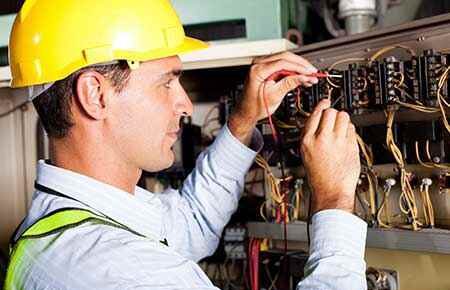
Electrician Apprenticeship & Electrician Pre-Apprenticeship Training
An electrical apprenticeship is a structured training program that prepares individuals to become licensed electricians through a combination of paid on-the-job training and classroom instruction. Apprentices work under licensed electricians and progressively learn electrical theory, safety practices, code requirements, installation techniques, and troubleshooting skills.
Most programs last 3–5 years, depending on the country and licensing requirements, and include thousands of hours of supervised fieldwork plus technical education.
Electrical work is generally divided into three main sectors: residential, commercial, and industrial. While the core principles of electricity remain the same, the environments, systems, tools, and complexity vary significantly.
1️⃣ Residential Electrical Work
Residential electricians focus on homes, apartments, and small residential buildings.
Typical Work Includes:
- Installing and upgrading electrical wiring
- Setting up breaker panels and service entrances
- Installing lighting fixtures, switches, and outlets
- Wiring HVAC systems and appliances
- Installing home automation or smart systems
- Troubleshooting power outages and electrical faults
Voltage and Systems
Residential systems usually involve:
- 120V and 240V systems (in many countries)
- Single-phase power
- Smaller load requirements compared to commercial or industrial sites
Skills Emphasized
- Reading residential blueprints
- National and local electrical code compliance
- Load calculations
- Safe installation inside finished structures
- Customer communication (homeowners)
Residential work often involves direct interaction with clients and working inside completed living spaces, requiring both technical skill and professionalism.
2️⃣ Commercial Electrical Work
Commercial electricians work in office buildings, retail stores, schools, hospitals, and other non-residential facilities.
Typical Work Includes:
- Installing larger lighting systems
- Wiring for HVAC, elevators, and fire alarm systems
- Setting up backup generators
- Installing data and communication cabling
- Working with three-phase power systems
- Installing conduit systems (EMT, rigid conduit, etc.)
Voltage and Systems
Commercial buildings often use:
- 120/208V or 277/480V systems
- Three-phase power for efficiency
- Larger service panels and distribution systems
Skills Emphasized
- Advanced blueprint and schematic reading
- Conduit bending and installation
- Working with larger electrical loads
- Coordinating with other trades (plumbing, HVAC, construction teams)
- Understanding energy efficiency and building regulations
Commercial environments are larger and more complex than residential, requiring stronger coordination and system-level understanding.
3️⃣ Industrial Electrical Work
Industrial electricians work in factories, manufacturing plants, power facilities, and processing plants. This is typically the most technically complex sector.
Typical Work Includes:
- Installing and maintaining heavy machinery
- Working with motors, transformers, and control panels
- Programming and troubleshooting PLCs (Programmable Logic Controllers)
- Maintaining automation and robotics systems
- Diagnosing system failures in production lines
- Working with high-voltage systems
Voltage and Systems
Industrial environments may involve:
- High-voltage systems
- Complex three-phase power distribution
- Motor control centers (MCCs)
- Automation and control circuits
Skills Emphasized
- Advanced troubleshooting and diagnostics
- Reading electrical schematics and ladder diagrams
- Motor control theory
- Automation systems
- Lockout/tagout safety procedures
- Minimizing downtime in production environments
Industrial electricians often require deeper technical knowledge of electronics, control systems, and automation compared to residential or commercial roles.
Training Structure in an Electrical Apprenticeship
Regardless of specialization, apprentices typically learn:
- Electrical theory (Ohm’s Law, circuits, power distribution)
- National and local electrical codes
- Safety standards and procedures
- Blueprint and schematic reading
- Conduit installation
- Grounding and bonding
- Load calculations
- Troubleshooting methods
As apprentices advance, they gain more independence and responsibility until they qualify to take licensing exams (e.g., journeyman electrician).
Differences Between the Three Sectors
Residential work focuses on homes and smaller systems.
Commercial work involves larger buildings and more complex distribution.
Industrial work centers on heavy equipment, automation, and high-voltage systems.
Each path requires overlapping core knowledge but develops different specialized competencies.
Summary
An electrical apprenticeship is a multi-year, paid training pathway that combines technical education with hands-on field experience. Apprentices may specialize in:
- Residential electrical work (homes and small buildings)
- Commercial electrical work (businesses and institutions)
- Industrial electrical work (factories and heavy industry)
All three are essential to modern infrastructure, but they differ in scale, complexity, voltage systems, and technical depth.
_____
Electrical Apprenticeship Pre-Apprenticeship Training
Electrical pre-apprenticeship training is a preparatory program designed to help individuals qualify for and succeed in a formal electrical apprenticeship. It provides foundational knowledge, basic hands-on skills, and workplace readiness before entering a multi-year registered apprenticeship program.
Think of it as a structured bridge between having no experience and being accepted into an official apprenticeship.
Purpose of a Pre-Apprenticeship
Pre-apprenticeship programs are designed to:
- Introduce the fundamentals of the electrical trade
- Build core math and technical skills
- Teach basic tool use and safety procedures
- Improve employability and interview readiness
- Increase acceptance rates into formal apprenticeship programs
Many apprenticeship programs are competitive, so pre-apprenticeship training helps candidates stand out.
Core Components of Electrical Pre-Apprenticeship Training
1️⃣ Basic Electrical Theory
Students learn introductory concepts such as:
- What electricity is and how it flows
- Voltage, current, resistance, and power
- Ohm’s Law
- Series and parallel circuits
- Basic circuit components (switches, outlets, breakers)
The focus is not mastery, but foundational understanding.
2️⃣ Math for Electricians
Electrical work relies heavily on applied mathematics. Training often includes:
- Fractions and decimals
- Algebra basics
- Measurement conversions
- Basic trigonometry (introductory level)
- Electrical formulas
Strong math skills are essential for passing apprenticeship entrance exams.
3️⃣ Safety Training
Safety is emphasized early and consistently. Topics include:
- Electrical hazards
- Shock and arc flash awareness
- Lockout/tagout basics
- Personal protective equipment (PPE)
- Ladder and tool safety
- OSHA safety standards (where applicable)
Safety training builds the mindset required for working around live electrical systems.
4️⃣ Tool Identification and Basic Hands-On Skills
Students gain exposure to:
- Hand tools (pliers, strippers, screwdrivers, testers)
- Power tools (drills, saws)
- Measuring tools (tape measures, levels)
- Basic conduit bending
- Simple wiring exercises
- Installing switches and outlets in training panels
Hands-on practice builds confidence and basic competency before entering job sites.
5️⃣ Blueprint Reading Introduction
Students are introduced to:
- Electrical symbols
- Basic wiring diagrams
- Simple construction drawings
- Layout interpretation
This helps prepare them for reading real jobsite plans later.
6️⃣ Workplace Readiness and Professional Skills
Pre-apprenticeship programs often include:
- Resume development
- Interview preparation
- Understanding workplace expectations
- Communication skills
- Punctuality and jobsite conduct
These soft skills are critical for success in the trade.
Duration and Structure
Pre-apprenticeship programs typically last:
- A few weeks to several months
- Full-time or part-time
- Classroom-based with lab components
Some are offered through:
- Community colleges
- Trade schools
- Workforce development programs
- Union-affiliated training centers
- Nonprofit workforce initiatives
Who Benefits from Pre-Apprenticeship?
Pre-apprenticeships are especially useful for:
- High school graduates
- Career changers
- Individuals with no construction experience
- People preparing for electrical apprenticeship entrance exams
- Underrepresented groups entering the trades
Outcome of Pre-Apprenticeship Training
Completion does not make someone an electrician. Instead, it:
- Strengthens apprenticeship applications
- Improves entrance test performance
- Demonstrates commitment to the trade
- Provides basic jobsite readiness
- Sometimes leads directly to apprenticeship placement
How It Differs from a Full Apprenticeship
Pre-Apprenticeship:
- Short-term
- Introductory level
- Usually unpaid
- No journeyman credential at completion
Electrical Apprenticeship:
- Multi-year (3–5 years typical)
- Paid employment
- Extensive supervised jobsite experience
- Leads to licensure or certification
Summary
Electrical pre-apprenticeship training is a foundational preparation program that teaches basic electrical theory, safety practices, tool use, and job readiness. It prepares individuals to enter a formal electrical apprenticeship with stronger technical knowledge, confidence, and competitiveness. It is the first structured step toward becoming a licensed electrician.
__________
Search Electrical Apprenticeship and Paid Trainee Listings on Apprenticeship.com
Search Electrical Apprenticeship Pre-Apprenticeships on Apprenticeship.com
Learn more about what electricians do -
Electrician - BLS Occupational Outlook Handbook